Founded in 2018, Rural Medical Data Centers for Excellence (RMD Centers) was created to support and strengthen the nation’s most disadvantaged communities through practical, community-driven public-health solutions. Built in partnership with nonprofits working on the front lines, RMD Centers exists to close the technology and data gap by making modern tools accessible, sustainable, and easy to replicate. Our purpose is simple: empower community organizations with the infrastructure, insight, and support they need to expand their impact and build healthier futures on their own terms.

Our work began with a flagship initiative funded through a HRSA subaward in partnership with Community Organized Relief Effort (CORE). Together, we built a real-time public-health community portal designed to connect patients, providers, and frontline community workers to the resources they need most—right when they need them.
The first portal launched in Robeson County, North Carolina, a region with significant rural health challenges. Today, it remains an industry-leading platform, demonstrating measurable improvements in access, coordination, and community health outcomes. This project became the blueprint for the scalable, community-centered data solutions that define RMD Centers’ work across the country.
From our earliest projects, it became clear that rural communities thrive when information flows seamlessly—but only with trust, consent, and strong local control. In response, RMD Centers developed a community-driven public-health data network: a secure, ethical framework that allows organizations to collect, manage, and share data on their own terms.
This network empowers partners to break down information silos, coordinate services more effectively, and contribute to a broader understanding of community needs—all while maintaining full ownership of their data. It is the foundation of our modern public-health data mesh and a cornerstone of our mission to strengthen rural systems of care.

In collaboration with leading academic institutions across the nation and around the world, we are committed to ensuring that clinical research reflects the full diversity of the populations it aims to serve. By actively engaging rural communities and creating pathways for their participation, we help ensure their experiences, challenges, and insights are accurately represented—bringing their voices forward in national studies where they have too often been overlooked.
As our rural data network connects local organizations and safely integrates information extracted from patients’ Epic EHR records, a powerful by-product emerges: a secure, blockchain-protected personal health record for underserved patients. This record places individuals at the center of their own data, allowing them to access, store, and share their information with full transparency and control. By combining modern cryptographic security with community-driven data exchange, we are helping rural patients build a trusted, lifelong health record—one that strengthens continuity of care, supports better outcomes, and ensures their information remains protected, private, and fully under their ownership.

As we build the rural data network and health resource portals, we prioritize health literacy at every step to ensure our tools are accessible, understandable, and genuinely useful to the communities we serve. Our resources and solutions are designed with plain-language communication, intuitive navigation, and culturally informed content that supports individuals with varying levels of digital and medical knowledge. By simplifying complex information and creating user-friendly interfaces, we help patients and families make informed decisions, navigate their care with confidence, and fully benefit from the technology designed to support their wellbeing.
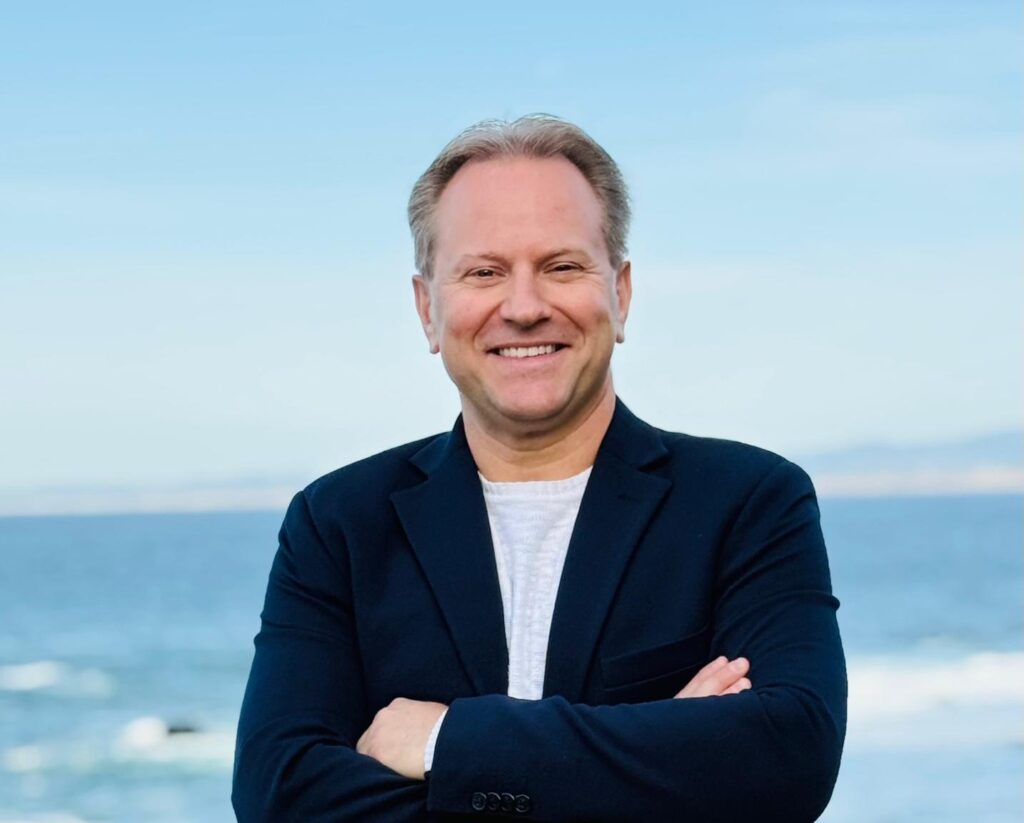
As a physician (MD), public-health professional (MPH), and current DrPH student in Informatics, my career has been shaped by years of treating patients whose challenges were rooted far beyond the exam room. Clinical work revealed the limits of addressing problems only after harm has occurred, while public health showed me the power of prevention, data, and systems-level thinking to transform communities before crises emerge.
Alongside this professional path, a personal spiritual awakening broadened my understanding of healing. It reminded me that wellbeing is shaped not only by biology and environment, but also by meaning, connection, and the deeper human experiences that science sometimes overlooks.
RMD Centers was born at the intersection of these insights—clinical expertise, public-health strategy, data-driven innovation, and a recognition that human lives are multidimensional. My mission is to help small and rural organizations build modern, ethical data systems that honor both the measurable and the immeasurable forces that shape health.